
discover
pigging-systems
Fixed Pigging System Type: KFM
The fixed pig consists of a robust main body with firmly anchored bristles – depending on the application, made of
plastic, metal, natural fibers, or a combination thereof. It is precisely designed and manufactured for the respective pipeline and
cleaning task. Due to its compact, single-piece construction, the fixed pig is an economical and reliable solution for clearly defined cleaning requirements.

Modular Pigging System Type: KMM
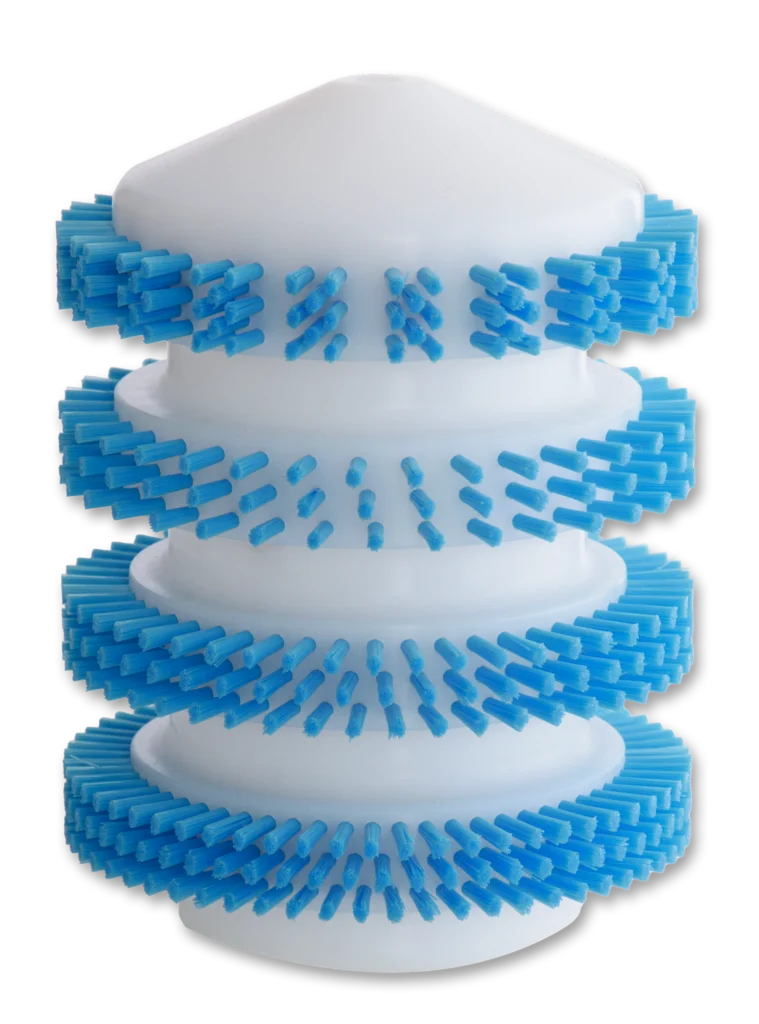
Modular pigs are brush pigs constructed from several individual brush discs on a common main body. The great advantage: individual brush discs can be replaced or combined in different orders – for example, coarse bristles first and fine bristles at the end – to precisely tailor the cleaning result to the respective pipeline. Worn brushes are simply replaced as spare parts, while the main body is retained. Thus, RATEC’s modular brush pig offers maximum flexibility with minimal maintenance.
Turbo Pigging System Type: KTM
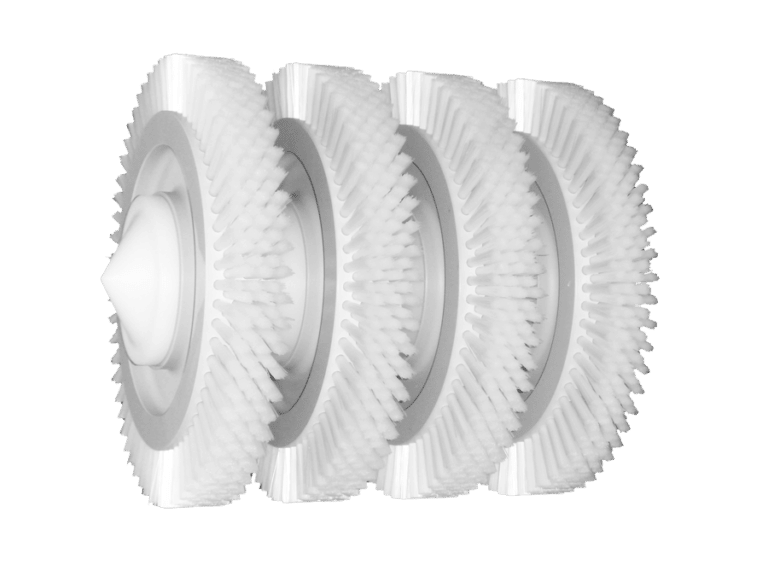
The RATEC Turbo pig combines four brush discs with different bristling: two rotatably mounted turbine wheels and two fixed-mounted fixed wheels. During the pigging operation, the airflow sets the turbine wheels into
counter-rotating motion – the result is a noticeably more thorough cleaning than with simple brush pigs. Like the modular pig, the Turbo pig is also constructed from individual parts and can be disassembled, cleaned, and repaired with spare parts if necessary – ideal for demanding cleaning tasks in larger nominal diameters.
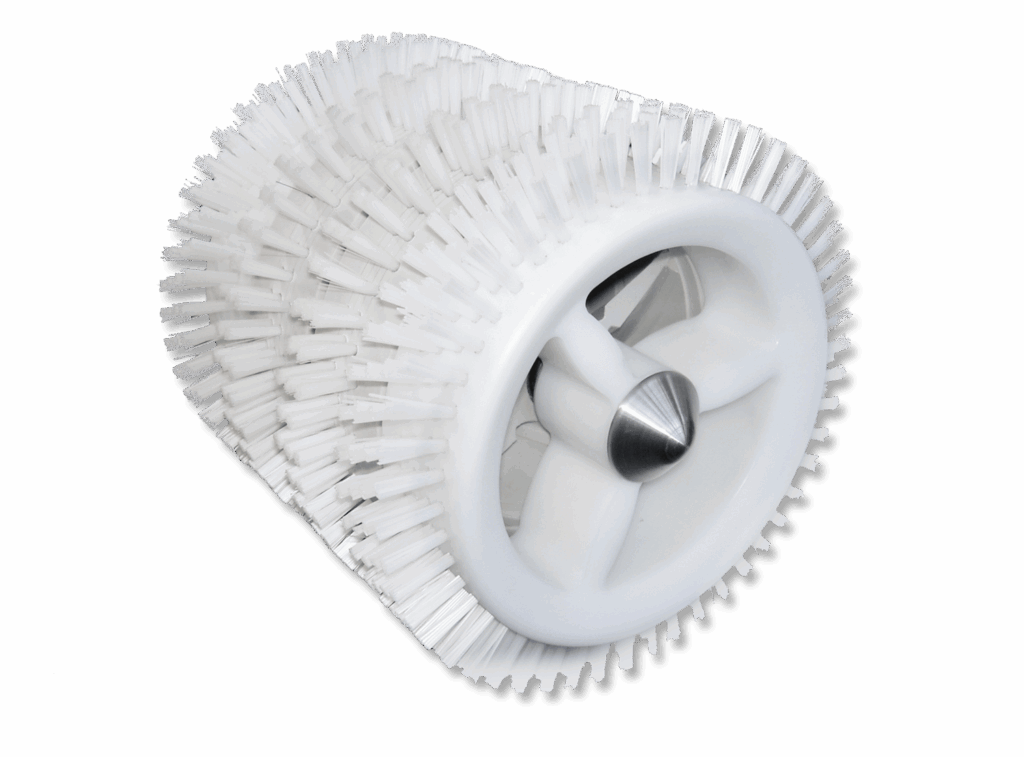
Special Pigging System
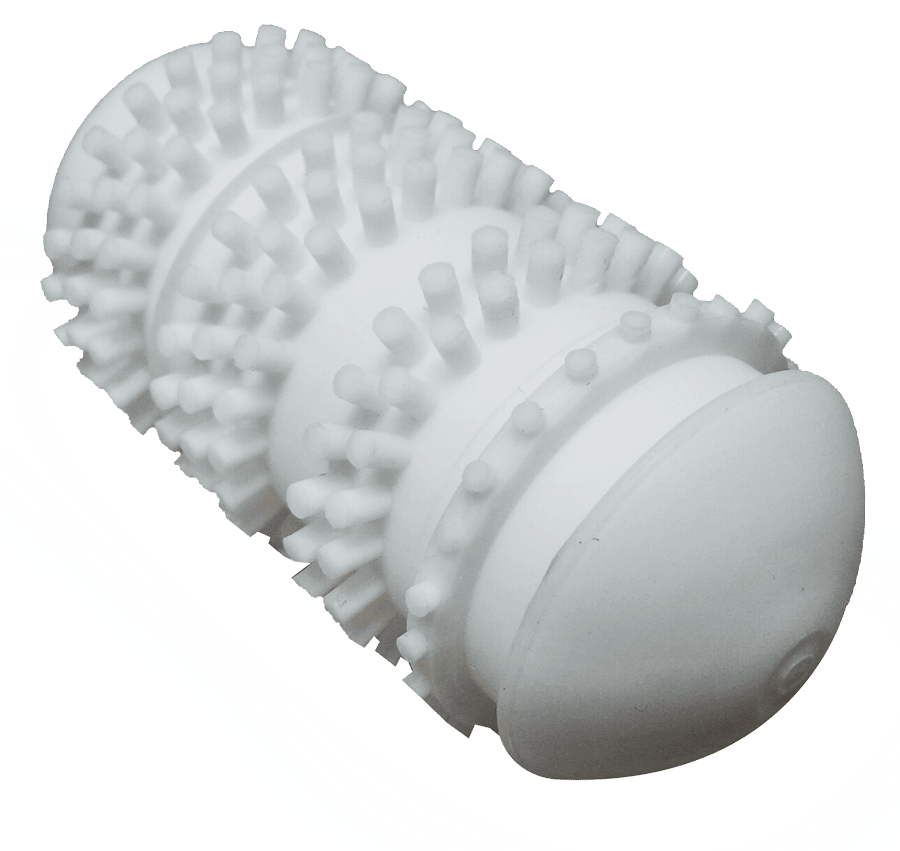
Not every cleaning task is standard – that’s why RATEC also offers special pigs for specific requirements: for drying, polishing, or cleaning hoses. For use in potentially explosive atmospheres, ATEX-compliant versions are available, and for the food industry, variants with FDA-compliant, product-contacting materials. The exact suitability is individually tailored to your application.
Transmitting and Receiving Stations
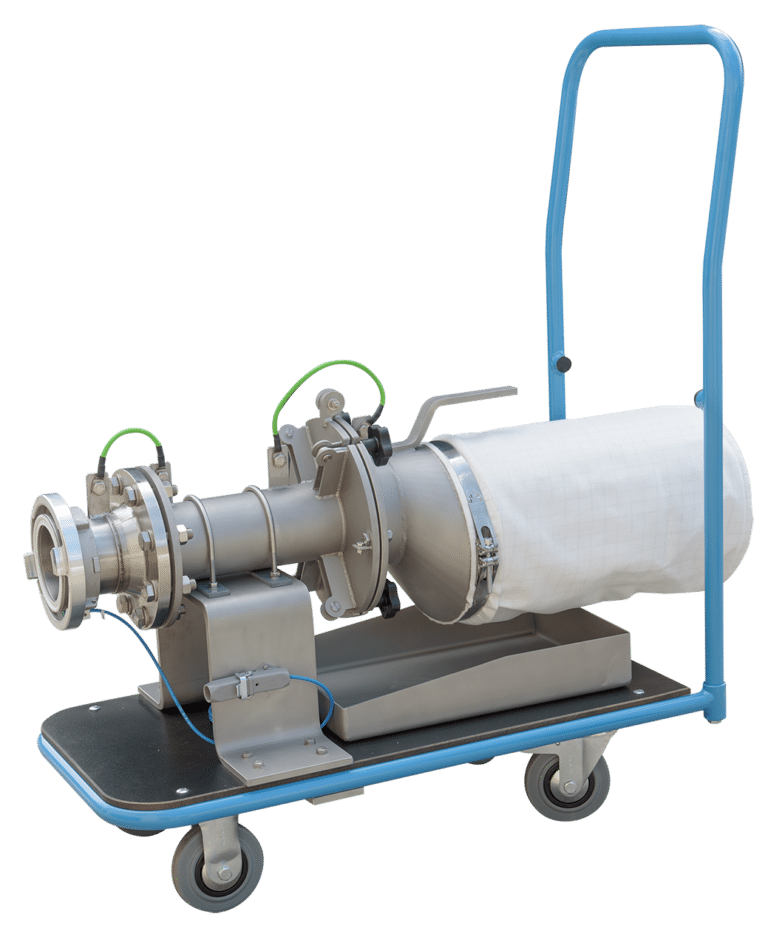
The pig launching and receiving station includes all components needed to safely insert the pig into the pipeline and remove it again at the end of the cleaning run. Depending on the conveying method—pressure or suction conveying—suitable launching options are used. At the end of the pig run, a gentle, cushioned
transfer ensures the pig is received safely without a hard impact and without damage.