


discover
Fluidisation
systems
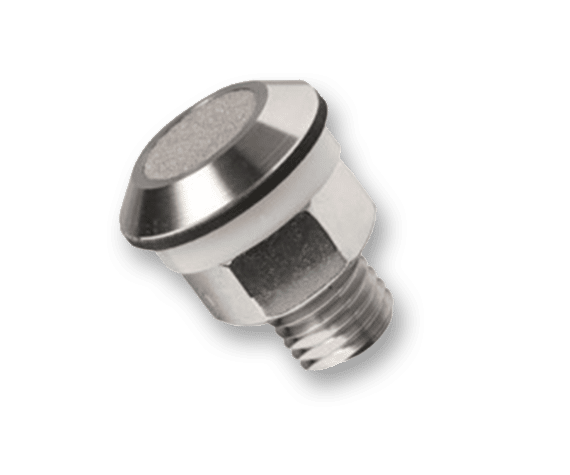
Fluidisation Pads & Ventilation Nozzles made of Sinter
Fluidisation Pads and Ventilation Nozzles made of sintered material provide reliable and uniform aeration of bulk materials, supporting a smooth and consistent material flow. The aeration takes place directly within the product through porous sintered metal elements, ensuring optimal air distribution. Thanks to their high air permeability, strength, and durability, these nozzles are particularly suitable for demanding applications, including the chemical and pharmaceutical industries.
Fluidisation Pads made of Silicone
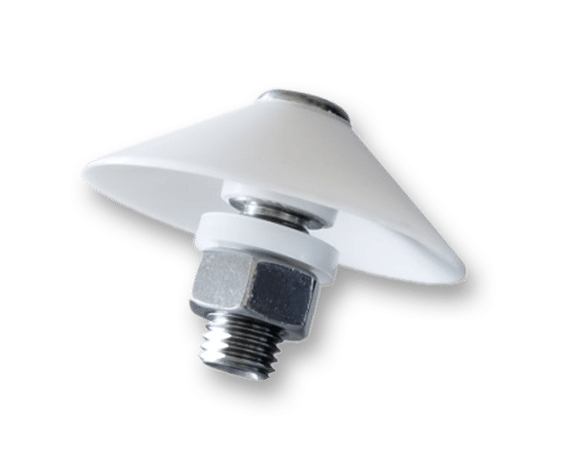
Fluidisation Pads made of Silicone ensure a uniform air supply along the container wall in silos, conveying systems, and containers, thereby improving material flow. The flexible and durable material is particularly suitable for applications involving high temperatures and chemically demanding environments. Targeted aeration prevents clumping, blockages, and bridging, making bulk material processes more efficient.
RATEC Ventilation Nozzles for Bulk Materials
Optimizing bulk material processes in conveying systems
Aeration nozzles made of silicone and sintered materials are specially developed for the bulk solids industry to make the transport and handling of bulk materials more efficient. They ensure a uniform air supply in bulk solids silos, conveying systems and containers, preventing caking, clogging or bridging, as well as the formation of dust in your system.
Product Features of RATEC Ventilation Nozzles
Our aeration nozzles offer outstanding features that make them a reliable solution for the bulk solids industry:
- Material variety:
- Silicone: Flexible and resistant to extreme temperatures and chemical exposure. Ideal for use in aggressive environments or at higher temperatures where a wider operating range is required.
- Sintered materials: These nozzles are made of highly porous materials that offer excellent air permeability and high strength. They are particularly durable, silent, and suitable for demanding applications in the chemical and pharmaceutical industries.
- Optimized aeration: The nozzles ensure uniform air distribution, optimizing the efficiency of aeration and de-mixing of bulk materials. This effectively prevents blockages and clogging in silos and containers.
- Durability and resistance: Thanks to their resistance to abrasion and corrosion, our nozzles offer a long service life and reduce maintenance costs.
- Easy installation: The modular aeration nozzles can be easily integrated into various plant systems and containers. Both internal and external installation are possible, reducing downtime.
- Versatile application: The aeration nozzles are ATEX– and FDA-compliant and are suitable for a wide range of industries, including the food industry, pharmaceutical industry, chemical industry, building materials industry and recycling industry.
Application Areas of RATEC Ventilation Nozzles
RATEC aeration nozzles provide solutions for various applications in the bulk solids industry:
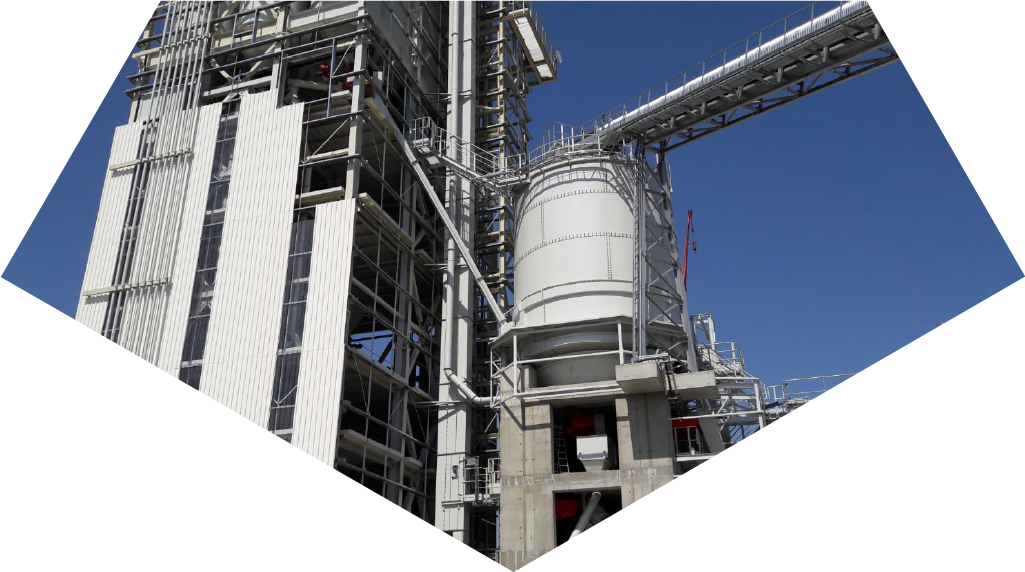
- Bulk material storage: In silos and storage tanks, the nozzles prevent bulk materials such as flour, sugar, grain, fertilizer, cement or plastic granules from caking.
- Conveying systems: They ensure a consistent material flow and prevent clogging in conveying systems, chutes or pipes.
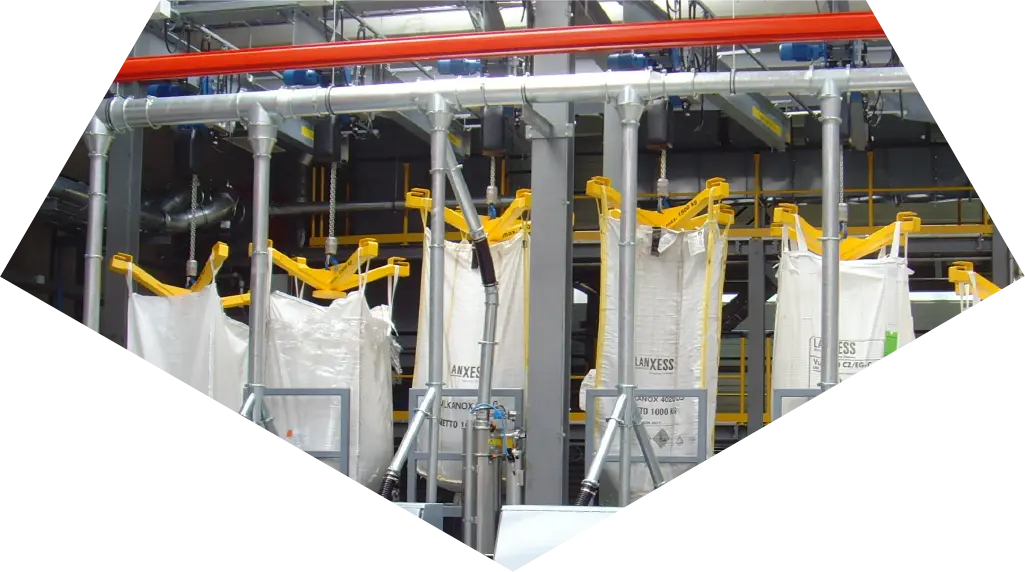
- Packaging and filling processes: When filling bulk materials into big bags, containers or boxes, the nozzles ensure uniform aeration and material distribution.
- Chemical and pharmaceutical applications: In industrial processes where powders or granules are processed, the aeration nozzles optimize airflow and prevent dust formation.
Advantages of RATEC Ventilation Nozzles
Using aeration nozzles offers numerous advantages:
- Improved material flow: Targeted aeration prevents bridging and material blockages, ensuring smooth operation in silo and conveying systems.
- Energy efficiency: Optimized air distribution reduces air demand and leads to energy savings.
- Increased safety: By reducing dust accumulation and blockages, the risk of explosions or other hazards that can arise from dust formation is minimized.
- Durability and ease of maintenance: Robust materials ensure a long service life and make maintenance easier.
- Versatility: Our aeration nozzles are available in various sizes, colors and configurations and can be flexibly integrated into different systems.
Industries Served
Our aeration nozzles are used in a wide range of industries:
- Food industry (e.g., for storing flour and sugar)
- Pharmaceutical industry (e.g., in handling powders and granules)
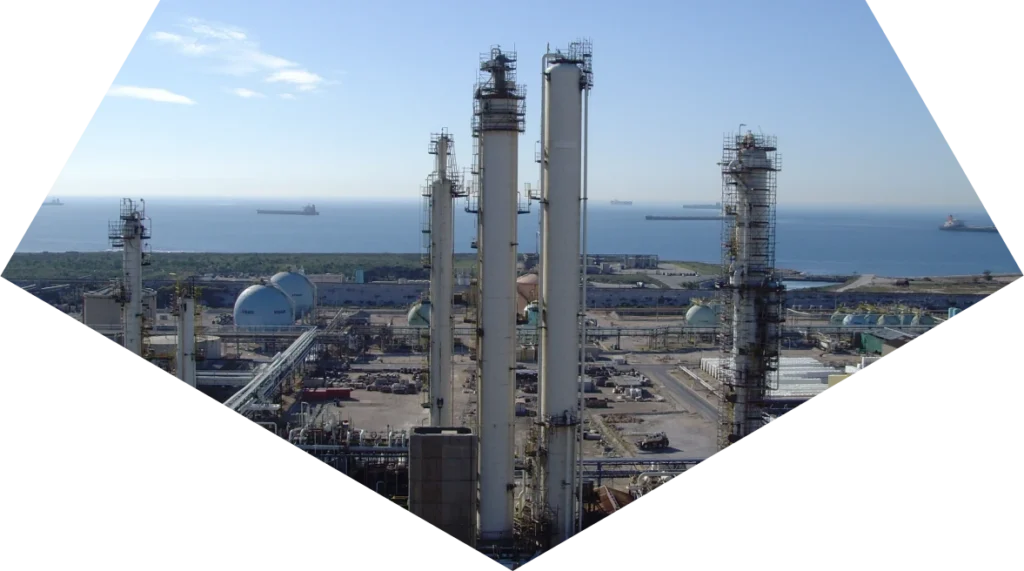
- Chemical industry (e.g., in processing chemical substances)
- Building materials industry (e.g., for handling cement)
- Recycling industry (e.g., in processing recyclable materials)
RATEC aeration nozzles provide an efficient solution for optimizing bulk material processes across various industries. With a wide choice of materials, easy installation and reliable performance, they help keep your system running smoothly, save energy, and ensure your production processes remain safe and efficient.
Need advice? Contact us and we will be happy to advise you on the material and nozzle configuration that best suits your specific requirements!
Frequently asked questions about fluidisation systems
What is a fluidisation nozzle and how does fluidisation of bulk materials work?
A fluidisation nozzle – also called an aeration nozzle – injects air directly into a bulk material and loosens it so that it keeps flowing. Fluidisation (also spelled fluidization) works in three steps: the nozzles introduce air into the product, the bulk material is fluidised so that caking and bridging are prevented, and discharge stays consistent. Without aeration, poorly flowing materials form bridges in the silo cone and discharge stalls. RATEC fluidisation nozzles in sintered metal and silicone are used in silos and storage tanks, vessels, conveyors, chutes and pipes, and in packaging and filling – for example with flour, sugar, grain, fertiliser, cement or plastic granules.
Why aerate a silo – how do fluidisation nozzles prevent bridging and caking?
Targeted aeration prevents bridging, caking and blockages, giving a uniform, trouble-free material flow in silo and conveying systems. In addition, the optimised air distribution of RATEC fluidisation systems reduces air demand and saves energy, less dust build-up and fewer blockages minimise explosion risks, and robust, abrasion- and corrosion-resistant materials make the nozzles durable and low-maintenance. Installation is modular, from inside or outside. In chemical and pharmaceutical processes, optimised air flows also mean less dust formation with powders and granules, and when filling big bags, containers or cartons the aeration stays uniform.
Which fluidisation nozzles and aeration elements are available?
Fluidisation nozzles are mainly made of sintered metal or silicone, complemented by aeration bars for poorly flowing products. In sintered metal, RATEC supplies the KBDS-25 sintered nozzle for a Ø21 mm bore, the KBSS-25, -50 and -80 socket fittings (Ø1″, 2″ and 3″) and the KSS-80 flanged fitting (DN 80) for larger nominal diameters. The silicone range comprises the standard nozzles KBD-30, -60 and -100 (Ø30, 60 and 100 mm) for internal mounting, the external-mounting versions KBD-60A and -100A, and the high-temperature versions KBD-30H, -60H and -100H for up to +200 °C. A stainless steel aeration bar in 500 or 1,000 mm length completes the range.
Sintered metal or silicone – which fluidisation nozzle suits which operating conditions?
Sintered metal nozzles suit high mechanical loads and abrasive bulk materials, while silicone nozzles provide flexible, self-closing aeration in silos, vessels and conveying systems. RATEC sintered aeration is made of highly porous stainless steel (1.4305/1.4404 or 1.4301/1.4404) with high air permeability and strength, runs silently and is ideal for chemicals and pharma. On silicone nozzles, the silicone sleeve opens under air pressure and closes automatically when the pressure drops, so no product stays trapped in the nozzle. They operate at 1–6 bar from −60 °C to +80 °C, or up to +200 °C in the high-temperature version. The aeration bar is rated for up to 250 °C and 6.0 bar, with higher ratings on request.
Are fluidisation nozzles available in ATEX- and FDA-compliant versions?
Yes – fluidisation nozzles can be supplied in ATEX-compliant versions for potentially explosive atmospheres and with FDA-compliant materials for food and pharmaceutical applications. All RATEC silicone fluidisation nozzles are FDA-compliant as standard, made of silicone and stainless steel 1.4305, and therefore suitable for food and pharma; an ATEX-compliant version is available on request. For sintered aeration, both an ATEX-compliant version and FDA-compliant, product-contacting materials are optional – on request for almost all RATEC fluidisation systems. For the aeration bar, special materials, other sizes and higher temperature and pressure ratings are available on request.
What helps with poorly flowing bulk materials – and can existing silos be retrofitted?
For poorly flowing bulk materials, an aeration bar helps: it releases air along its entire length and combines fluidisation with mechanical discharge by impulse flow. The RATEC aeration bar in stainless steel (1.4301/1.4571, air connection G1/2″) is easy to retrofit into existing silo systems, works with almost every product and cleans itself well thanks to the high air flow. Besides fluidisation and discharge, it is used for drying or fogging of products, degassing or inerting in Ex areas, and preheating for further processing. For retrofitting individual nozzles, the silicone version KBD-A with external mounting bolts can be installed from outside.
How much does silo aeration with fluidisation nozzles cost?
A silicone fluidisation nozzle costs roughly EUR 60 to 115 net per piece, depending on size and design. At RATEC, standard and high-temperature nozzles cost less than EUR 100 even as single units, while nozzles for external mounting are slightly more. Volume pricing applies from 10 pieces, and installation instructions in German and English are always included. The cost of a complete silo aeration system depends mainly on how many nozzles your silo needs, as well as on material, temperature and any ATEX or FDA requirements. Sintered metal nozzles and aeration bars are quoted individually after a short clarification. All prices exclude VAT and are ex works.
How do I choose the right fluidisation solution for my silo?
Start by clarifying four points: the bulk material (product, flow behaviour, abrasiveness), the installation point (silo, cone, vessel, conveyor), temperature and pressure (operating conditions, air supply) and requirements such as ATEX, FDA or mounting from inside or outside. On this basis RATEC advises you on the best material and nozzle configuration and finalises the design together with you. RATEC fluidisation systems are used in the food industry (e.g. flour and sugar), pharmaceuticals, the chemical, building materials (e.g. cement) and recycling industries, and in packaging and filling. Contact us