



RATEC sliding pipe supports carry the weight of a pipeline while letting it move both along its axis and sideways. When temperatures change, the line can shift freely in any horizontal direction, even where expansion does not act in a straight line, such as close to bends and branches. The pipe rests on a sliding plate mounted on a support or directly on the steel structure. We design every sliding support individually for your pipeline, in all common materials and in an ATEX-compliant version on request.
Table of Contents
How a sliding pipe support works
The sliding plate takes up the weight of the pipeline and transfers it to the support. Because the pipe is not restrained laterally, it can slide on the plate in any horizontal direction. A suitable sliding material keeps friction low, so that no unnecessary forces are passed into the line and the steel structure.
Sliding supports are also known as floating supports. By contrast, a fixed point holds the line in place, and a guide support only allows axial movement.
Where sliding supports are used
When a pipeline expands, it does not only move longitudinally everywhere. At bends and branches, the adjacent pipe section also shifts laterally. This is precisely where sliding supports are the right choice. On long straight sections, they are often combined with guide supports so that the line remains stably supported while still staying on track.
When a line expands, it does not only move axially everywhere. At bends and branches, the adjoining pipe section also shifts sideways. This is exactly where sliding supports are the right choice. On long straight runs they are often combined with guide supports, so the line stays properly supported and still runs on track.
Key technical data
| Feature | Pipe Clamp as Sliding Support |
|---|---|
| Function | floating point, movable axially and laterally |
| Principle | pipe rests on a sliding plate |
| Sliding material | depending on requirements |
| Materials | all common materials, e.g. stainless steel, galvanised steel, aluminium, coated on request |
| Pipe types | metal, plastic and insulated pipes |
| Versions | ATEX, sound-insulating or vibration-damping on request |
| Dimensions | designed individually for each pipeline |
Sliding supports are particularly suitable for dynamic applications and demanding operating conditions, for example frequent temperature changes.
Part of a complete pipe support system
Sliding travel, sliding material and support height are designed for each project, to suit the movements of your line and the existing steel structure.
- Stainless steel pipe clamps with fixed point: define where the line expands from.
- Guide supports: only allow axial movement and prevent lateral displacement.
- Damped pipe clamps: absorb forces from all directions and dampen vibrations.
- Pendulum supports: support riser lines and compensate for settlement.
What matters in the design
- Pipeline: pipe type, diameter, insulation, weight.
- Movements: direction and extent of expansion, temperature range.
- Environment: corrosion, temperature, hazardous area.
- Connection: support height, existing steel structure.
Custom-built by RATEC
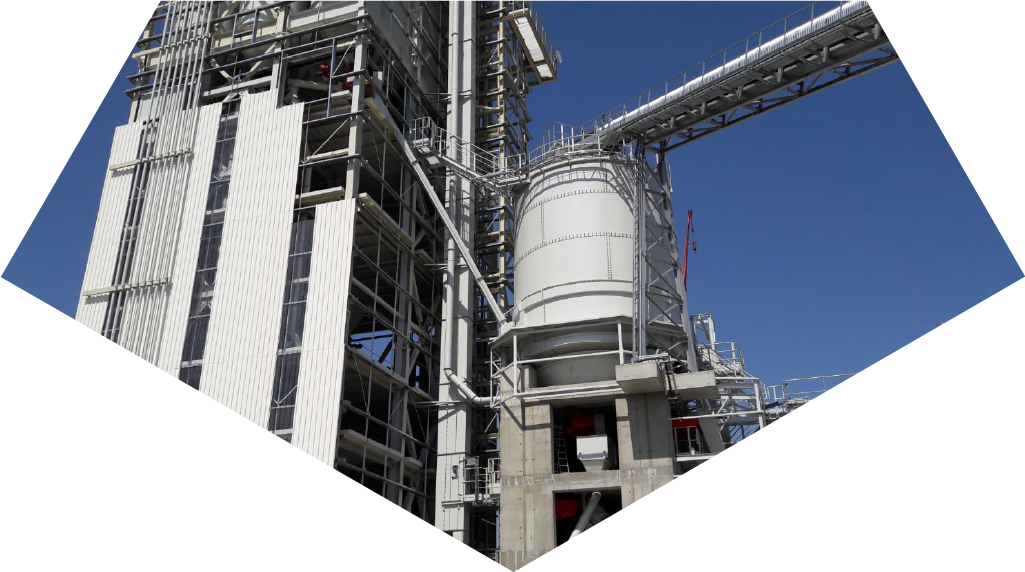
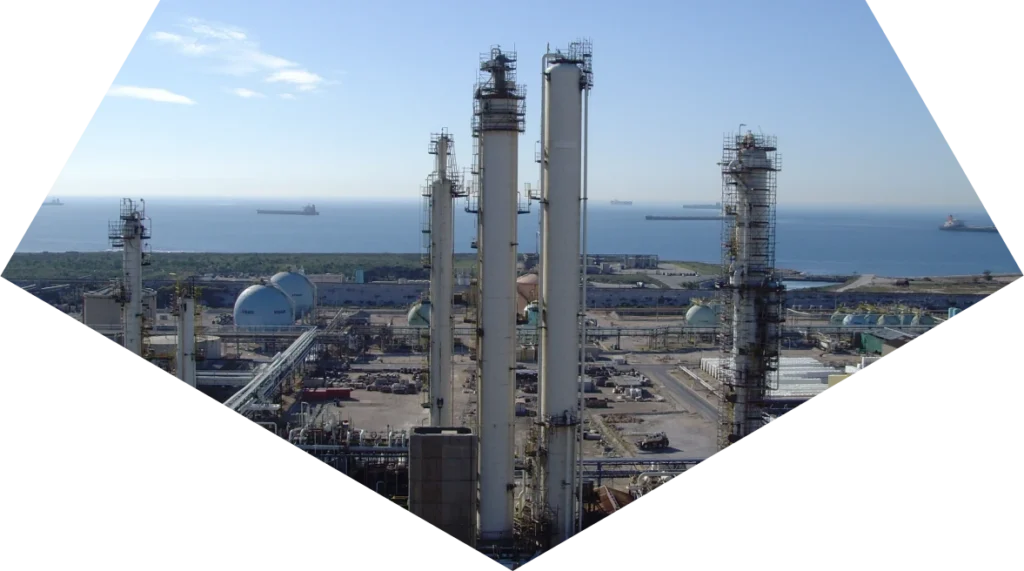
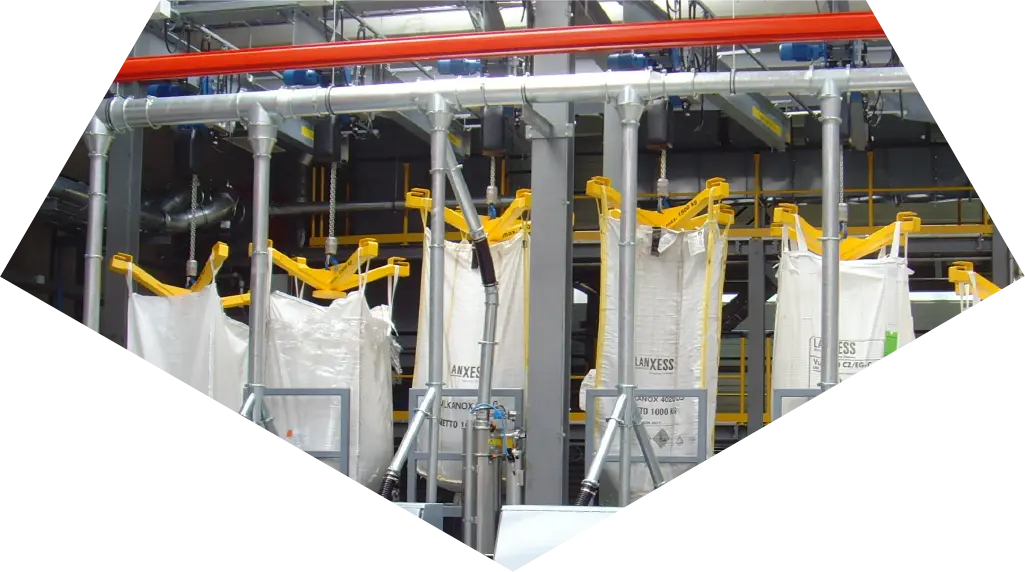
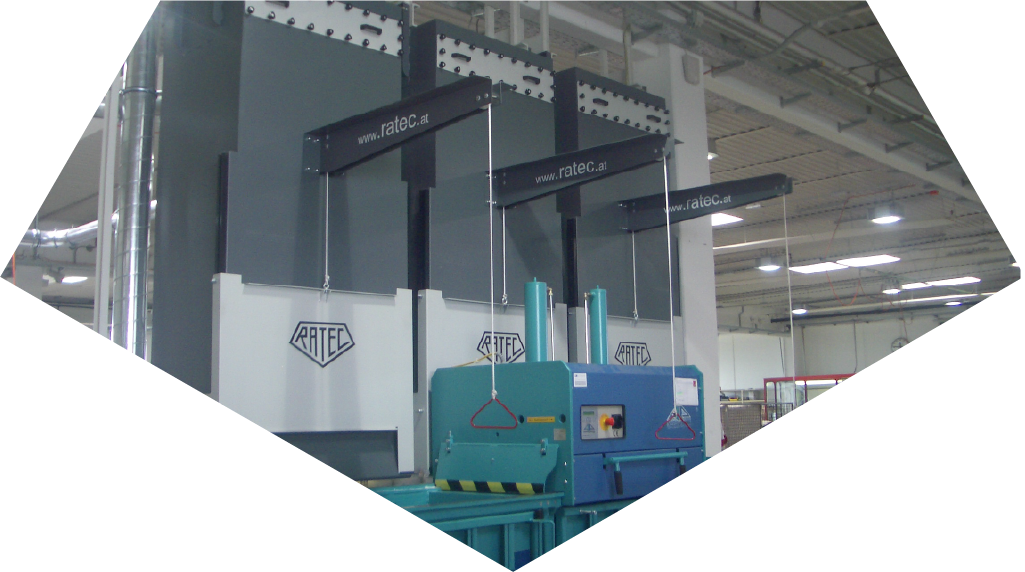
RATEC is at home in the bulk materials sector and manufactures in its own plant in Carinthia, certified according to ISO 9001, EN 1090-1, and ISO 3834-2. Every sliding support is custom-made for your pipeline; the photos on this page show execution examples from customer projects. You can find an overview of all designs under pipe supports.
Planning the supports for your pipeline?
Tell us your pipe diameter, pipeline layout, and operating conditions. We will get back to you with a specific proposal.